Burst Pipe: What to Do First
Quick Facts
- Is this an emergency?
- Yes — shut off water immediately
- First step
- Find and shut off your main water valve
- Typical water damage claim
- $10,000–$15,000
- Can you DIY it?
- Only the stopgap, not the actual repair
Burst Pipe Emergency Checklist
- Find and shut off the main water valve (locate it today, not during the emergency)
- Open the nearest faucets and flush toilets to relieve trapped pressure
- If water is near outlets or a breaker panel, shut off power to that area — don't wade through standing water to reach it
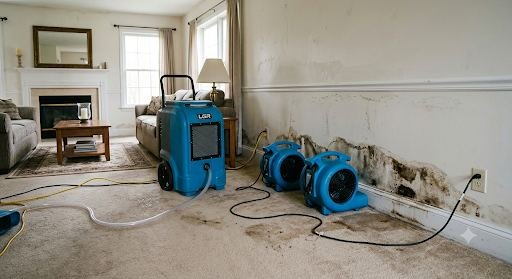
- Start extraction: mop up, run fans and a dehumidifier if you have them
- Photograph the source and everything it touched before moving anything, for your insurance claim
- Call a licensed plumber — stopping the water doesn't fix the cause
A burst pipe doesn't wait for business hours, and what you do in the first few minutes matters more than almost anything that happens after. If a pipe has burst in your home right now, the single most important thing to do is shut off your water — everything else, including calling a plumber, comes second.
Shut Off the Water First
Find your main water shutoff valve and turn it off before you do anything else. Where it is depends on your home: in a basement or utility room, it's usually near the water heater. In a slab-foundation home, it's often near the water meter outside or in a garage. On a well system, the shutoff may be at the pressure tank instead of a street-side meter. If you've never located yours, this is worth doing today, not during the next emergency — a burst pipe is the worst possible time to be searching.
Once the main is off, open the nearest faucets and flush toilets to relieve pressure still trapped in the lines. This reduces how much water keeps draining out of the break itself while you wait for help.
Cut the Power if Water Is Near Anything Electrical
If water is pooling near outlets, appliances, or a breaker panel, shut off power to that area at the breaker box — or the whole house, if you're not sure which circuit covers what. Don't wade through standing water to reach a panel that's already wet or has water dripping into it; call an electrician or your utility company first in that specific case, since the risk there is real.
Start Extraction and Drying Immediately
Once the water is off, the clock starts on a second problem: standing water and wet materials can begin supporting mold growth within 24 to 48 hours in a warm, humid environment. Mop up and wet-vac what you can right away, run fans and a dehumidifier if you have one, and pull up anything soaked — rugs, cushions, boxes — so air can actually reach the wet flooring underneath. If the flooding is significant, a water damage restoration company with commercial extraction equipment will do this faster and more thoroughly than a shop-vac and box fans, and getting them in quickly matters more than most homeowners expect.
Document Everything Before You Clean Up Too Much
Photograph the source of the break, the standing water, and everything it touched — flooring, drywall, furniture, electronics — before you move too much. A burst pipe is usually considered a sudden, accidental event under a standard homeowners policy, which is generally a more favorable category for a claim than gradual damage from a slow, ignored leak. Coverage details still vary by policy and by insurer, so confirm directly rather than assuming; some policies distinguish between the cost of fixing the pipe itself (often excluded) and the water damage it caused (often covered).
Why You Still Need a Plumber, Even After the Water's Off
Stopping the water buys you time — it doesn't fix anything. A burst pipe is often a symptom of something else: freezing, corrosion, or pressure buildup from a clog further down the line. A licensed plumber can find and fix the actual cause, not just patch the visible break, which matters if you don't want the same pipe failing again in six months in the same spot, or a different weak point failing next winter.
What Actually Causes a Pipe to Burst
Three causes account for most residential burst pipes:
- Freezing — water expands as it freezes, and that pressure has to go somewhere. This is the most common cause in cold-climate homes, especially in exterior walls, crawl spaces, attics, and unheated basements where pipes are exposed to outside temperatures.
- Corrosion — older galvanized steel or aging copper pipes weaken with age and eventually give out under completely normal water pressure, often with no warning beyond a slowly worsening discoloration in the water.
- Clogs — a severe blockage further down a line can build enough pressure behind it to rupture a pipe well before the clog itself would ever clear on its own.
Common Mistakes People Make in the First Hour
A few patterns show up often enough to call out directly. Patching a visible leak with tape or a clamp and assuming the problem is solved — a stopgap like this can fail again suddenly, and it does nothing about whatever caused the pipe to fail in the first place. Running the dishwasher or washing machine because "the water's off in that one spot" — if the break is anywhere on the same line, this can push more water into the same failure point. And skipping documentation because the immediate crisis feels more urgent than paperwork — photos taken after the cleanup starts are far less useful for a claim than photos taken before anything gets moved.
How to Tell a Genuine Emergency From a Manageable Leak
Not every burst pipe looks the same, and the urgency genuinely differs. Water actively spraying, flowing, or pooling faster than you can contain it with towels or a bucket is an emergency — shut off the main and call immediately, no further judgment calls needed. A slow, steady drip from a joint that a bucket handles fine for now is still worth a same-day call, but it's not a 2am emergency-rate situation the way active flooding is. Knowing which one you're facing helps you decide whether to call an after-hours emergency line or simply the first available appointment tomorrow.
Preventing the Next One
If freezing is the likely cause, insulating exposed pipes and keeping your home at a consistent temperature through cold snaps meaningfully lowers the risk of a repeat. We cover this in detail in our frozen pipes prevention guide — worth reading now if this has happened before, not after it happens a second time.
Sources: Nationwide, The Hanover Insurance Group, Angi.
| Situation | What to do | Call a plumber? |
|---|---|---|
| Water actively flooding | Shut off the main valve now, then call | Yes — immediately |
| Slow drip from a joint or fitting | Place a bucket, shut off the local valve if there is one | Yes — same day |
| Pipe froze but hasn't burst yet | Gently warm it with a hair dryer — never an open flame | Not urgent, but worth a call |
This guide can tell you the general first steps, but it can't diagnose your specific plumbing system or confirm whether your homeowners policy covers this particular situation. Call your insurer to confirm coverage, and a licensed plumber to assess the actual damage — both are five-minute calls that a general article can't replace.
Frequently Asked Questions
Is a burst pipe covered by homeowners insurance?
Usually, if it's sudden and accidental rather than a long-term maintenance issue that was left unaddressed. Coverage details vary by policy, so confirm with your insurer directly.
How do I find my main water shutoff valve?
Common locations are near the water heater, in a basement or utility room, near the water meter for slab homes, or at the pressure tank for well systems. It's worth locating yours before an emergency, not during one.
Can I fix a burst pipe myself?
You can shut off the water and do temporary stopgaps, but a proper repair usually needs a licensed plumber — a burst pipe is often a symptom of a bigger issue like freezing, corrosion, or a clog.
What causes pipes to burst?
The three most common causes are freezing temperatures, corrosion in older pipes, and pressure buildup behind a severe clog.
How quickly does mold become a risk after a burst pipe?
Standing water and wet materials can begin supporting mold growth within 24 to 48 hours in a warm, humid environment — which is why extraction and drying should start right after the water is shut off, not after the insurance claim is filed.
How much does emergency plumbing repair cost?
It varies by the extent of the damage and your location — see our cost guide for a fuller breakdown.